
Can You Install a Heat Pump in an Older House in the UK?
Yes, you can install a heat pump in an older UK house, including Victorian, Edwardian and solid-wall properties. Your home doesn't need to be completely renovated or fully insulated. However, its heating requirements, existing radiators, pipework and available installation space will determine which system works best.
Some older homes can use a heat pump with minor heating upgrades. Others need more extensive changes to achieve reliable, efficient heating. Before replacing your boiler, it's important to understand what your property actually requires.
Will a Heat Pump Work in a Victorian or Edwardian House?
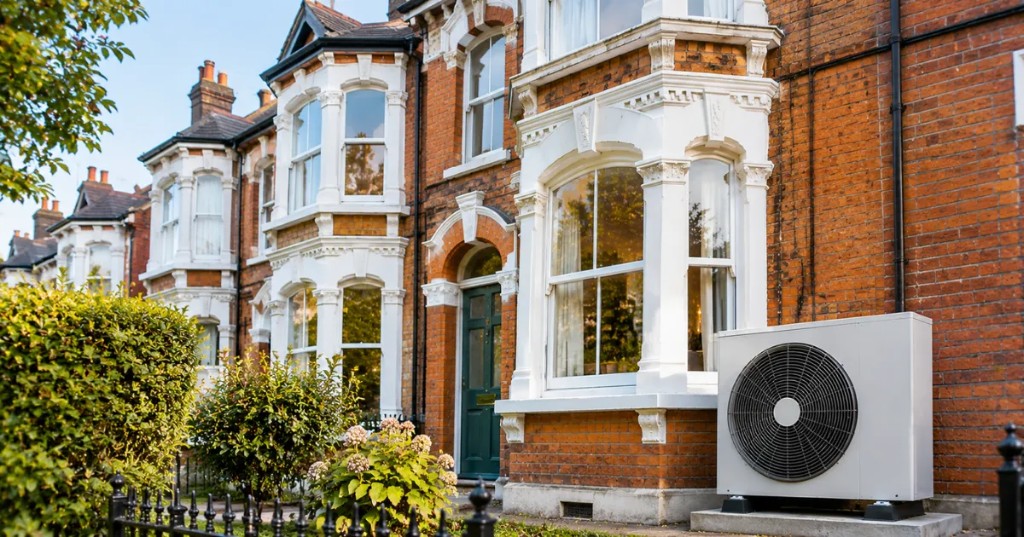
Air source heat pumps can heat Victorian and Edwardian houses, including properties built more than 100 years ago. The age of a building doesn't determine its suitability. Its construction, condition and previous improvements are more important. For example, two Victorian terraces may have different heating requirements.
One might have insulated floors and modern radiators, while the other retains solid walls, original windows and older heating equipment. Energy Saving Trust reports that a UK installation project successfully fitted heat pumps in 163 properties built before 1945. The findings show that older homes can accommodate heat pumps, although some require more careful system design.
What Makes Heat Pump Installation More Challenging in Older Houses?
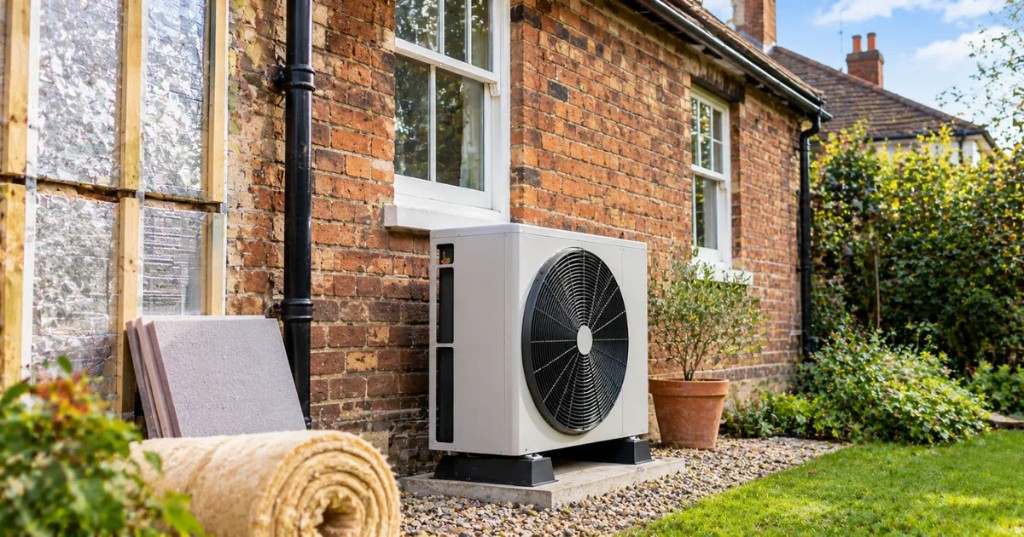
Three common issues need checking before installing a heat pump in a period property.
Solid Walls, Draughts and Heat Loss
Many Victorian and Edwardian properties have solid brick walls, suspended timber floors and older windows. These features can allow heat to escape faster than in a well-insulated modern home. A heat pump must provide enough heating to replace the warmth lost through the building, including during the coldest expected weather.
A room-by-room heat-loss calculation measures the heating requirement of each space. It considers walls, windows, floors, roof insulation, ventilation and room temperatures. Historic England recommends detailed heat-loss calculations when designing heat pump systems for historic properties. This assessment helps determine the required heat pump capacity instead of relying on the property's age or floor area alone.
Existing Radiators and Heating Temperatures
Traditional gas boilers may supply radiator water at approximately 70°C. Many heat pumps operate more efficiently at lower flow temperatures, sometimes around 40–45°C. A radiator produces less heat when its water temperature is lower.
For example, a small radiator that keeps a bedroom warm with 70°C boiler water may struggle when supplied with 45°C water. This is why installers need to assess radiator output before deciding whether existing equipment is suitable.
The practical replacement options are explained below.
Older or Narrow Heating Pipes
Some older heating systems use microbore pipes, often measuring approximately 8–12mm in diameter. Narrow pipework can restrict water circulation if it cannot provide the flow required by the new system.
An installer should examine pipe dimensions, circuit lengths and water flow before recommending changes. Some existing pipes may remain suitable, while restricted sections might need replacing.
Do You Need to Insulate an Older House Before Installing a Heat Pump?
You don't necessarily need to fully insulate an older house before installing a heat pump. However, reducing heat loss can lower heating demand and improve comfort. The most useful improvements depend on the property's construction and existing condition.
Common options include:
- Loft insulation: Reduces heat escaping through the roof.
- Draught-proofing: Addresses unwanted airflow around windows, doors and floorboards.
- Suspended floor insulation: Helps reduce heat loss through suitable timber floors.
- Solid-wall insulation: Improves thermal performance where compatible with the building.
- Secondary glazing: Reduces heat loss through older windows without necessarily replacing them.
Not every property needs all these improvements. For example, a Victorian terrace with adequate loft insulation may benefit more from draught-proofing than extensive wall alterations. Solid-wall insulation also requires careful consideration.
Inappropriate materials or installation methods can trap moisture and damage traditional building fabric. Your installer should identify which improvements would meaningfully affect the heating design before recommending major renovation work.
Will You Need New Radiators or Underfloor Heating?
You can install a heat pump without replacing every radiator or adding underfloor heating. The decision depends on whether your existing radiators can meet each room's heating requirement at the proposed flow temperature.
| Heating option | When it may be suitable |
|---|---|
| Keep existing radiators | Their heat output meets the room's requirement |
| Install larger radiators | Existing radiators cannot provide enough warmth |
| Use fan-assisted radiators | More heat output is needed in limited wall space |
| Install underfloor heating | Floors are already being renovated |
| Consider a high-temperature heat pump | Higher flow temperatures are necessary and performance is acceptable |
Replacing selected radiators is often less disruptive than installing underfloor heating throughout an occupied period property. Underfloor heating may be practical during a major renovation, particularly when floors are already being lifted. The important point is to assess each room individually rather than assuming every radiator must be replaced.
Can a High-Temperature Heat Pump Work in an Older House?
A high-temperature heat pump may suit an older property where major radiator changes would be difficult. Some models can deliver heating water at approximately 70°C under specified operating conditions. This can help maintain radiator output where lower flow temperatures would be insufficient.
However, higher water temperatures generally reduce heat pump efficiency and increase electricity consumption. A high-temperature system isn't automatically the best choice for Victorian or Edwardian homes. Comparing its expected running costs with those of a lower-temperature system and selected radiator upgrades can help identify the more suitable option.
Do You Need Planning Permission for a Heat Pump in an Older House?
Many air source heat pump installations in England qualify as permitted development. This means separate planning permission may not be required if all applicable conditions are satisfied. However, older houses can have additional restrictions, particularly when they are listed or located in conservation areas.
Listed Buildings and Conservation Areas
For listed buildings, permitted development rights do not apply to air source heat pump installations within the building's grounds. Planning permission may therefore be required. Listed building consent is a separate requirement and may also be necessary if the work affects the building's special architectural or historic character.
Conservation areas have different restrictions. For example, an outdoor unit on a wall facing a highway may not qualify as permitted development. However, being within a conservation area doesn't automatically mean every installation requires planning permission. Check your property's circumstances with the local planning authority before installation.
The Planning Portal explains the current air source heat pump planning conditions in England.
Where Can You Install the Outdoor Heat Pump Unit?
Older terraced houses, particularly in London, may have narrow gardens, small courtyards or limited side access. The outdoor unit needs adequate airflow, suitable maintenance access and a location that meets applicable noise requirements. The position should also allow practical pipe connections between the heat pump and the indoor heating system.
For example, a small rear courtyard may accommodate an outdoor unit, but the available dimensions, ventilation and noise impact need checking first. If you're replacing a combi boiler with an air-to-water heat pump, you may also need space for a domestic hot water cylinder.
That additional storage requirement can be important in older homes with small utility rooms or limited cupboards.
How Much Does Heat Pump Installation Cost in an Older House?
Heat pump installation costs depend on the equipment required and any alterations to the existing heating system. An older house doesn't automatically cost more to convert, but certain improvements can increase the quotation.
| Property condition | Potential additional work |
|---|---|
| High heating demand | Suitable heat pump capacity or insulation improvements |
| Undersized radiators | Replacement or additional radiators |
| Restrictive pipework | Selected pipework alterations |
| Limited hot water storage space | Cylinder positioning or associated alterations |
| Restricted outdoor access | Additional installation labour |
| Listed building restrictions | Consent applications or specialist design work |
Before accepting a quotation, check which alterations are essential and which are optional improvements. A detailed quotation should separate equipment, installation labour and any recommended heating-system upgrades.
Can You Get a Government Grant?
The Boiler Upgrade Scheme provides £7,500 towards eligible air-to-water heat pump installations in England and Wales. Until 31 March 2027, eligible off-gas-grid properties replacing oil or LPG heating may receive £9,000.
The increased grant depends on the property's existing heating system and other eligibility conditions. Grant funding reduces qualifying installation costs but doesn't automatically pay for every radiator, insulation or pipework improvement.
How Long Does Heat Pump Installation Take in an Older House?
The installation schedule depends on how much work your property needs. Replacing a boiler with a heat pump may involve removing old equipment, installing the outdoor unit, fitting a hot water cylinder and connecting the heating system. Additional radiator replacements or pipework changes can extend the project.
Listed buildings may also require consent before installation can begin. Ask for a written installation schedule that identifies the planned work and any expected interruption to heating or hot water.
Frequently Asked Questions
Can You Install a Heat Pump in a 100-Year-Old House Without Major Renovation?
Yes, some 100-year-old houses can accommodate a heat pump without major renovation. If your existing heating system is suitable, installation may only require targeted changes, such as replacing a few radiators or adding a hot water cylinder. You may also need space for an outdoor unit. A property survey will identify which alterations are necessary before installation.
Will a Heat Pump Keep a Victorian House Warm During Freezing Weather?
A properly designed system should meet the home's calculated heating requirement at the local winter design temperature. Ask your installer to explain the expected heat output during cold conditions and whether backup heating is required.
Can You Replace a Gas Boiler with a Heat Pump in an Old Terraced House?
Yes, provided the property can accommodate the required equipment and heating alterations. In terraced houses, the outdoor unit's location, noise assessment and available hot water cylinder space deserve particular attention.
Check Your Older Home's Heat Pump Suitability with Love Green Heat Pumps
If you're considering a heat pump for your Victorian, Edwardian or older terraced house, we'll help you understand the installation requirements. At Love Green Heat Pumps, we assess property heat loss, radiator capacity, existing heating arrangements and equipment space before recommending a suitable approach.
Whether you're researching Heat Pump Installation Greenwich or Heat Pumps Installation London, you can contact Love Green Heat Pumps to discuss your property and request a quotation. We'll explain which improvements may be necessary so you can make an informed decision about your heating system.
Request a quotation